
I don’t understand why I feel like this. Ancestral Trauma Doesn’t Start With You: The Science and Healing of Epigenetic Inheritance

One of the most common experiences people bring into coaching or healing work is the sense that their reactions do not match the life they’ve lived. They say things like:
“I don’t know why I’m this anxious.”
“My parents never abused me, but my body / nervous system feels unsafe.”
“It feels like I’m carrying someone else’s fear.”
“ I feel unworthy but I don’t know why” – this was mine btw
For decades, clinicians, healers, and indigenous traditions have understood that wounds can be inherited. Today, a growing field of research in epigenetics suggests that in certain cases, trauma does not begin with the individual—it can echo through the lineage.
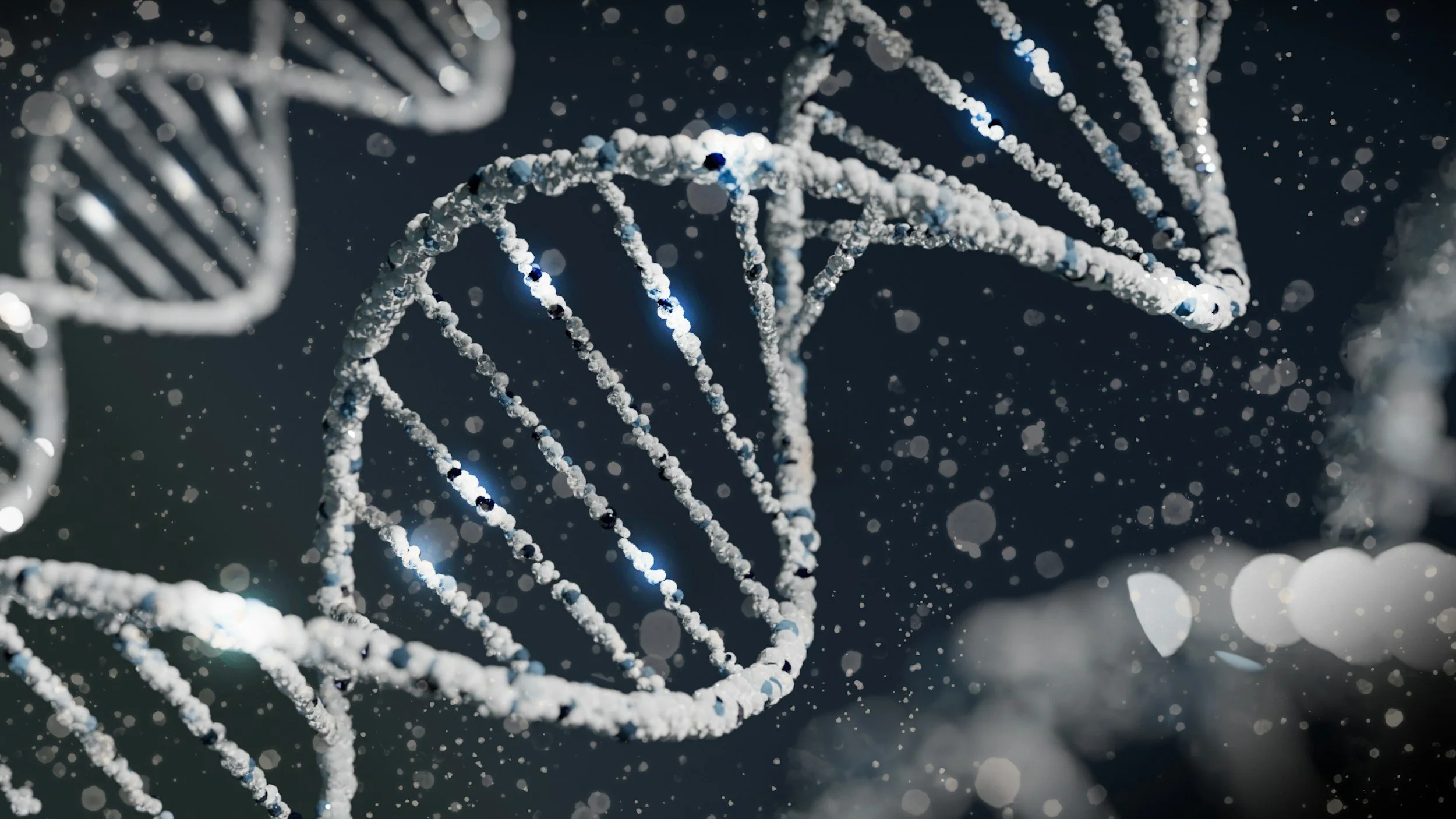
Epigenetics refers to biochemical markers that influence how genes are expressed without altering the DNA sequence. These markers can be shaped by environment, stress, scarcity, war, famine, and social threat. Some appear to be passed from parent to child, creating the possibility of epigenetic inheritance.
This does not mean trauma is destiny. The more important discovery for coaching and healing is that epigenetic marks are plastic, meaning they can respond to new experiences, safety, and transformation.
The Evidence: What We Know So Far
Animal research has provided the clearest demonstrations. In well-controlled mouse experiments, fear conditioning—such as pairing an odor with mild shock—has produced changes in the animal’s nervous system that were detectable in their offspring and even grandchildren. These offspring showed heightened fear of the same odor despite never experiencing the shock themselves.
In humans, studies of populations who survived war, genocide, famine, displacement, and persecution have found intriguing patterns. Research on children of Holocaust survivors, for example, has shown epigenetic differences in genes involved in stress regulation. Similar work has examined survivors of the Rwandan genocide and individuals conceived during the Dutch Hunger Winter, where famine and wartime stress converged. Although findings are still developing and sample sizes are small, the emerging picture is that extreme adversity may leave biological traces detectable in the next generation.
Alongside biology, there are well-documented psychological and social forms of intergenerational transmission: nervous system patterns, attachment styles, beliefs about safety, money, risk, and visibility, and relational strategies shaped by earlier survival conditions.
From a healing perspective, these pathways matter as much as the biological ones.
Trauma as an Ancestral Survival Strategy
Inherited trauma is often best understood as a form of adaptation.
Lineages that lived through war, famine, oppression, migration, colonialism, or systemic threat often developed strategies such as:
hypervigilance
frugality and resource-guarding
perfectionism and over-responsibility
staying small or invisible
emotional suppression
self-sacrifice for the group
These strategies helped someone survive. Problems arise when those strategies continue long after the danger has passed.
This reframes the essential question from:
“What’s wrong with me?”
to:
“What survival strategy am I carrying that didn’t begin with me?”
This shift alone creates psychological relief and openings for transformation.
How Inherited Trauma Shows Up in Clients
In coaching and healing work, inherited patterns often surface in four domains:
1. Nervous System
anxiety, freeze, panic, exhaustion, dissociation or not feeling fully in your body
2. Identity
beliefs like “the world is dangerous,” “big success isn’t safe,” or “rest is not allowed”
3. Behavior
overworking, chronic self-criticism, self-silencing, people-pleasing, collapsing, avoiding visibility
4. Loyalty to the lineage
fear that healing, thriving, or resting would betray those who suffered
Entrepreneurs and leaders encounter a unique dimension: inherited beliefs about visibility, money, power, and safety often shape how they build businesses. Historically, visibility and prosperity were not always safe for the family system.
I find these beliefs surface more for entrepreneurs and leaders because we live on the edge of our comfort zones
.
Healing as a Generational Intervention
The hopeful part of the story is that inherited trauma is not fixed. Epigenetic marks can change, nervous systems can reorganize, identities can be reauthored, and the lineages can stop transmitting patterns that once served survival.
This is where modern healing modalities become powerful.
Energy and subtle body work helps for ancestral imprints that show up without personal memory.
Archetypal and identity work to reclaim suppressed aspects of power, expression, and dignity.
Intuitive and higher-order methods to access information beyond the conscious mind, especially for pre-verbal and ancestral material.
When the system receives a higher degree of safety and choice, inherited patterns can update. This is as true biologically as it is spiritually.
From Symptoms to Intelligence
A key premise in this kind of work is that inherited trauma presents as intelligence, not dysfunction. Anxiety once kept someone alive. Hypervigilance once protected children. Emotional suppression once prevented punishment. Overwork once ensured resources during scarcity.
When coaching clients begin to see their patterns as strategies rather than flaws, a different trajectory opens up. From there, we shift from:
“Make the symptom stop”
to
“Complete the survival response and update the strategy.”
This is where transformation becomes sustainable.

Practices for Readers
To make this more experiential, here are practices that can be included in a blog:
Somatic inquiry:
Notice an emotional or physical pattern and ask: “Does this feel like mine, or does it feel older?”
Lineage mapping:
Explore how parents and grandparents survived. What strategies were rewarded? What was dangerous?
Ancestral gratitude & boundaries:
Honor their survival (“Thank you for what you carried”) while choosing a different future.
These practices allow healing to move through the lineage rather than against it.
The Second Half of the Story: Inherited Strength
Inherited trauma is only half the story. The same lineages that suffered also passed down:
resilience
creativity
ingenuity
devotion
faith
endurance
humor
leadership
Integration requires recognizing both the wounds and the strengths. Many clients find that when they allow both, their lives begin to move.
If you want to heal generational trauma book a healing session
